
How to Budget for Plumbing Repairs Effectively
- Roberto B
- Sep 29, 2025
- 3 min read
Plumbing repairs can be unexpected and costly if you are not prepared. Having a well-planned plumbing budget helps you manage expenses without stress. This guide will walk you through practical steps to budget for plumbing repairs effectively, ensuring you are ready when issues arise.
Understanding the Importance of a Plumbing Budget
Creating a plumbing budget is essential for maintaining your home’s plumbing system without financial strain. Plumbing problems can range from minor leaks to major pipe replacements, and costs vary widely. By budgeting, you can:
Avoid emergency expenses that disrupt your finances
Prioritize repairs based on urgency and cost
Plan for regular maintenance to prevent costly breakdowns
A plumbing budget is not just about setting aside money; it’s about understanding your home’s plumbing needs and preparing accordingly.

How to Build Your Plumbing Budget
Building a plumbing budget involves several key steps. Here’s how to get started:
1. Assess Your Plumbing System
Begin by evaluating the age and condition of your plumbing. Older homes may have outdated pipes that need replacement soon. Look for signs such as:
Frequent leaks or drips
Low water pressure
Discolored water
Strange noises in pipes
Knowing the state of your plumbing helps estimate potential repair costs.
2. Research Typical Repair Costs
Understanding common plumbing repair costs helps you set realistic budget goals. For example:
Fixing a leaking faucet: $100 - $300
Repairing a burst pipe: $300 - $1,000
Replacing a water heater: $800 - $1,500
Costs vary by location and severity, so check local rates or ask professionals for estimates.
3. Set Aside Emergency Funds
Unexpected plumbing issues can happen anytime. It’s wise to allocate a portion of your budget for emergencies. A good rule of thumb is to save at least $500 to $1,000 for urgent repairs.
4. Plan for Routine Maintenance
Regular maintenance prevents major problems. Include costs for:
Annual inspections
Drain cleaning
Water heater servicing
These smaller expenses save money in the long run by avoiding costly repairs.
5. Use a Budgeting Tool
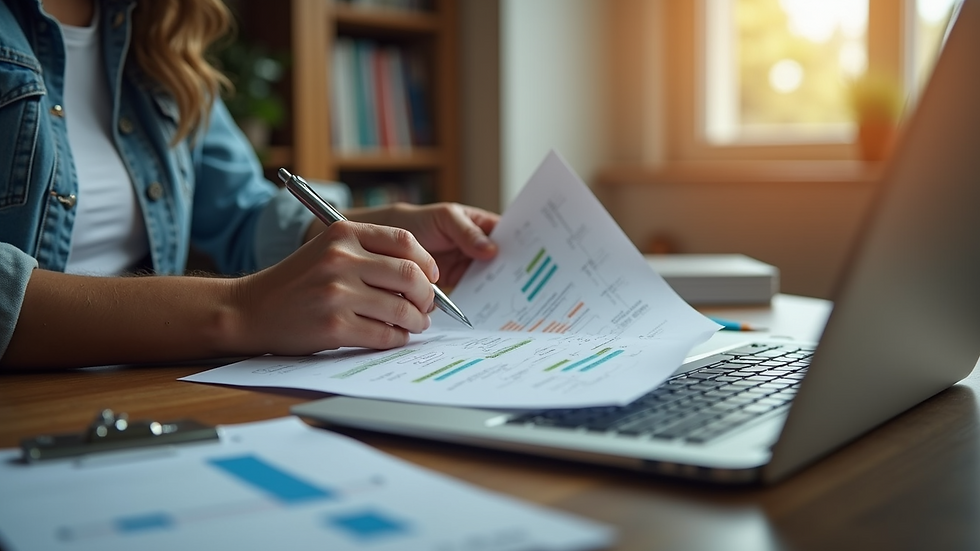
Track your plumbing expenses using a spreadsheet or budgeting app. Record repair costs, maintenance fees, and emergency funds to stay organized.
How much do plumbers charge for an estimate?
Before committing to repairs, it’s important to understand the cost of getting an estimate. Many plumbers charge a fee for an on-site inspection and diagnosis, but some offer free estimates.
Typical Estimate Charges
Flat fee: $50 - $150 for a detailed inspection
Hourly rate: $45 - $150 per hour, depending on location and plumber experience
Free estimates: Some companies provide no-cost quotes, especially if you hire them for the repair
Knowing these costs helps you decide when to request an estimate and how to compare plumber rates.
Tips for Getting Accurate Estimates
Provide detailed information about the problem
Ask if the estimate fee will be applied to repair costs
Get multiple estimates to compare prices and services
Requesting a free plumbing quote can be a smart way to start without upfront costs.
Tips to Save Money on Plumbing Repairs
Budgeting is not only about setting money aside but also about finding ways to reduce expenses. Here are some practical tips:
Fix small leaks promptly: A dripping faucet wastes water and can cause bigger issues.
DIY minor repairs: Simple tasks like unclogging drains or replacing washers can save labor costs.
Schedule regular maintenance: Preventive care reduces the chance of expensive emergencies.
Use quality materials: Investing in durable pipes and fixtures lowers long-term repair needs.
Hire licensed plumbers: Avoid costly mistakes by choosing professionals with proper credentials.
By following these tips, you can stretch your plumbing budget further and maintain a healthy plumbing system.

Planning for Long-Term Plumbing Expenses
A plumbing budget should also consider future upgrades and replacements. Pipes, water heaters, and fixtures have limited lifespans. Planning ahead helps you avoid sudden large expenses.
Create a Replacement Schedule
Pipes: 50-70 years for copper, 20-40 years for PVC
Water heaters: 8-12 years
Faucets and fixtures: 10-20 years
Set aside funds annually for these replacements based on your home’s plumbing age.
Consider Home Improvements
If you plan to renovate or upgrade your plumbing system, include these costs in your budget. Modern fixtures and energy-efficient water heaters may have higher upfront costs but save money over time.
Review and Adjust Your Budget Annually
Your plumbing needs and costs may change. Review your budget yearly to adjust for new repairs, maintenance, or upgrades.
Taking Control of Your Plumbing Budget
Effective budgeting for plumbing repairs gives you peace of mind and financial control. By assessing your system, understanding costs, saving for emergencies, and planning for the future, you can handle plumbing issues confidently.
Remember to seek professional advice when needed and take advantage of offers like a free plumbing quote to get started without extra cost. With a solid plumbing budget, you protect your home and your wallet from unexpected plumbing expenses.


Comments